Side table Eiermann | EE 61
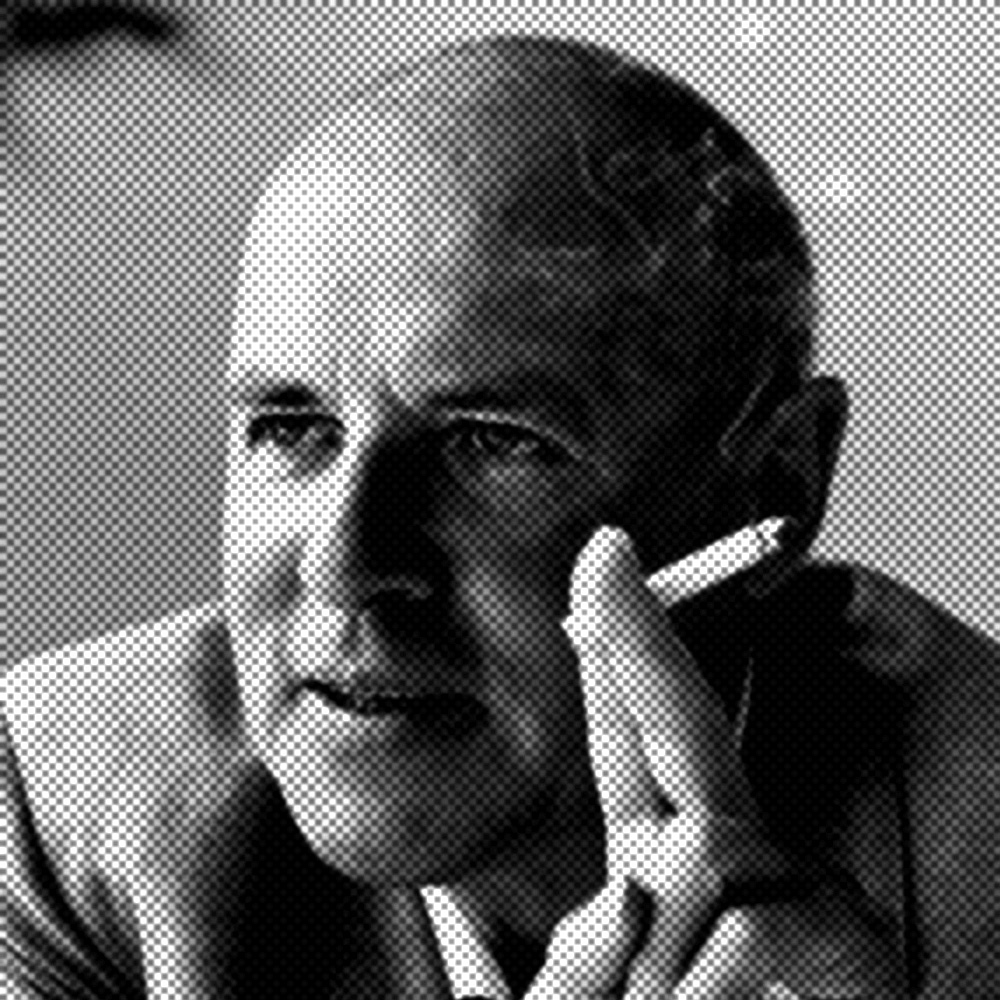
Egon Eiermann, 1961
Egon Eiermann is regarded as one of the most important German architects and designers of post-war modernism. With buildings such as the Kaiser Wilhelm Memorial Church in Berlin, the German Embassy in Washington and the “Langer Eugen” parliamentary high-rise in Bonn, he helped shape the image of a modern and internationally minded Germany. Yet Eiermann never thought of design solely in terms of large-scale architecture. His furniture and lighting designs reflect the same principles: structural clarity, carefully considered functionality and precision down to the smallest detail.
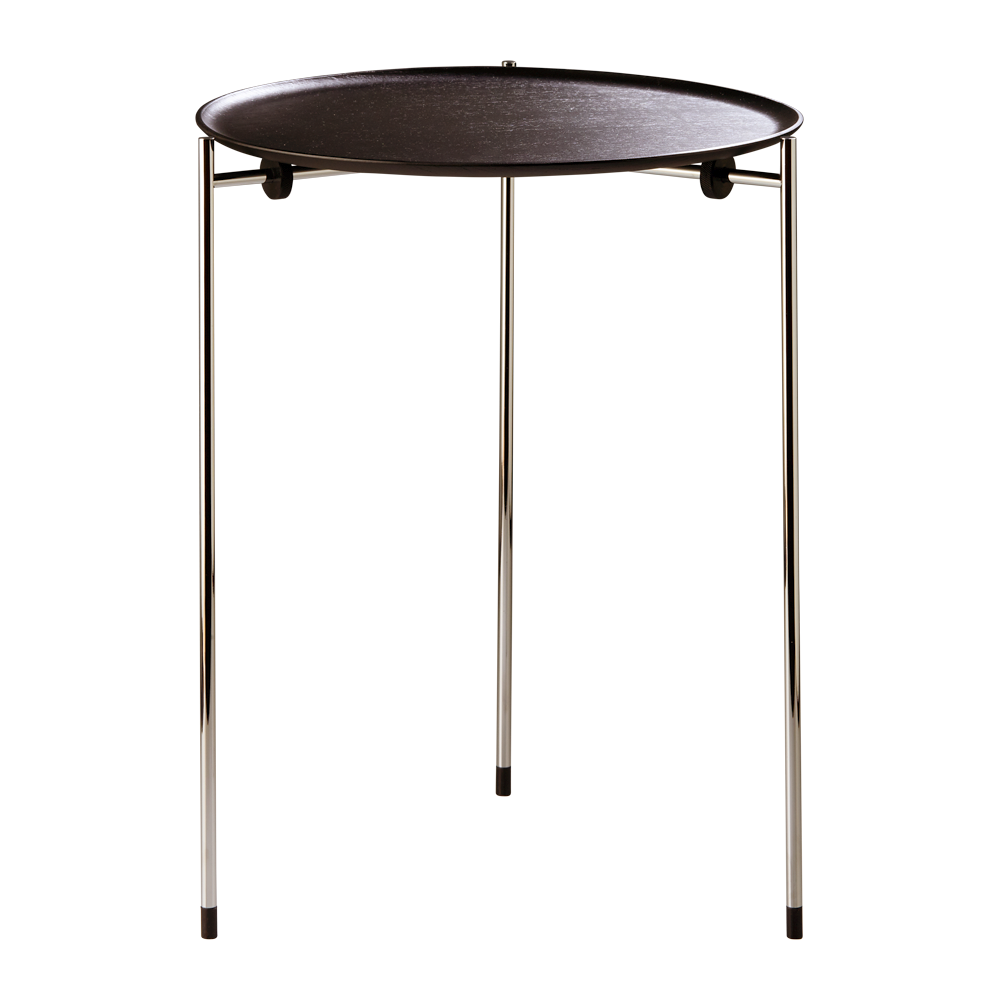
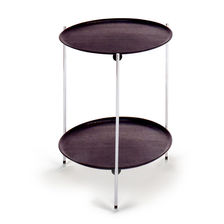
Designed in 1961, the EE 61 side table brings these qualities together within a compact object. Its delicate frame of chrome-plated metal supports a round, lacquered tray. The construction remains fully visible and defines the appearance of the table – characteristic of Eiermann, who believed that structure and function should not be concealed but should form an essential part of the design.
Lightness and stability
Despite its visually delicate appearance, the EE 61 is stable and secure. The slender metal rods create a clear spatial structure, while the circular tray provides a calm visual counterpoint. The interplay of line and surface results in a well-balanced piece of furniture that integrates naturally into a wide variety of interiors.
The tray rests securely on the frame without slipping. It can also be removed and used independently as a serving tray. Eiermann thus combined a highly reduced form with an unexpectedly practical additional function.
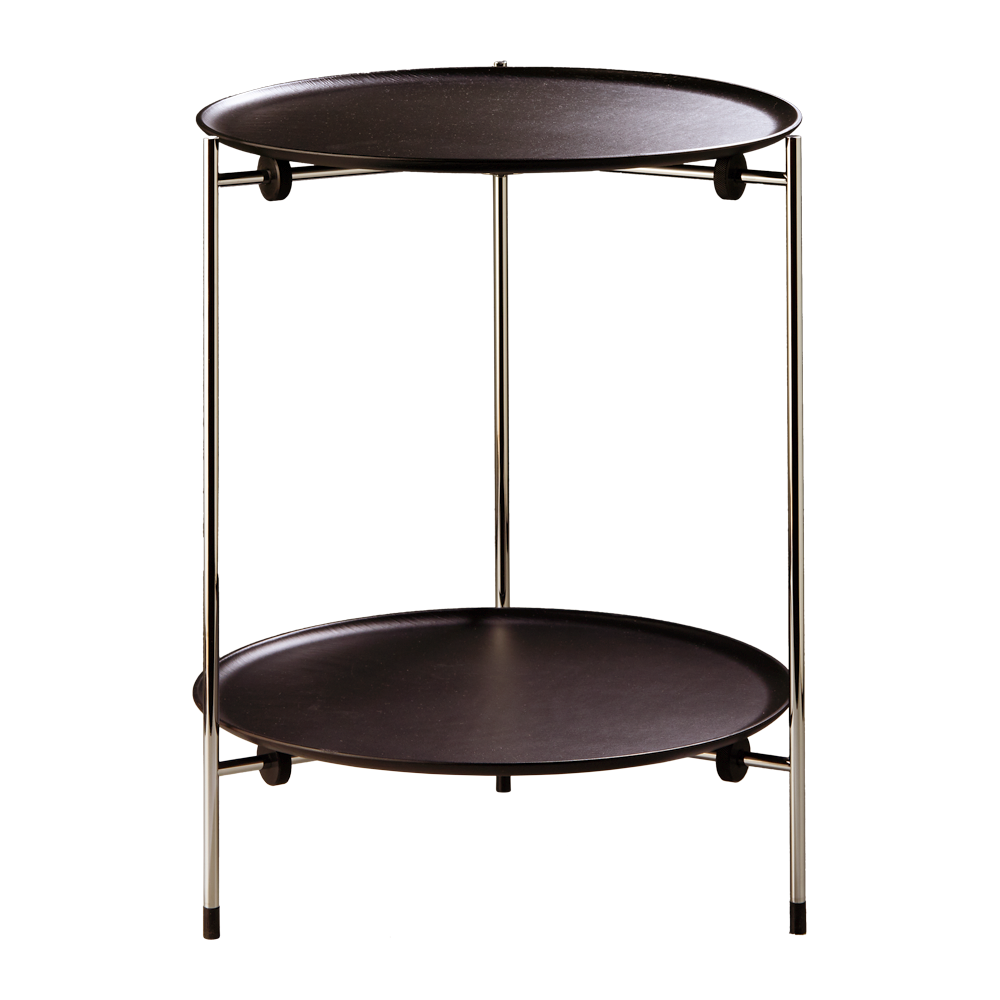
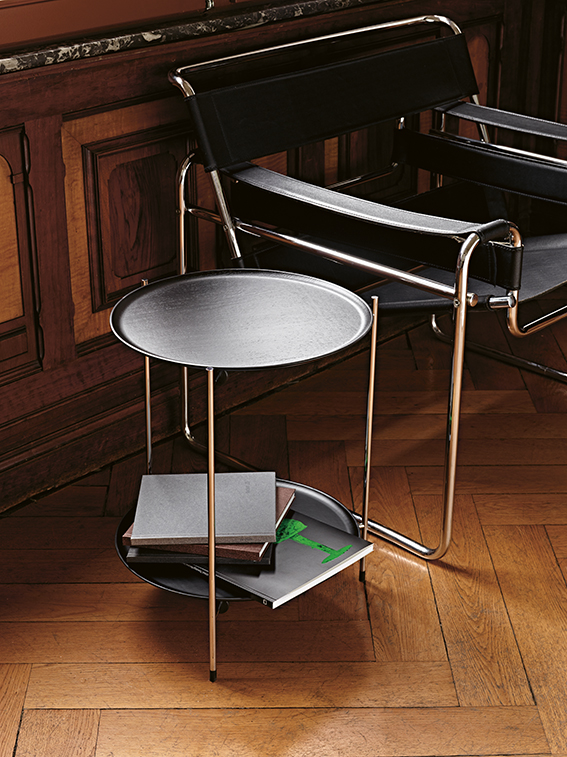
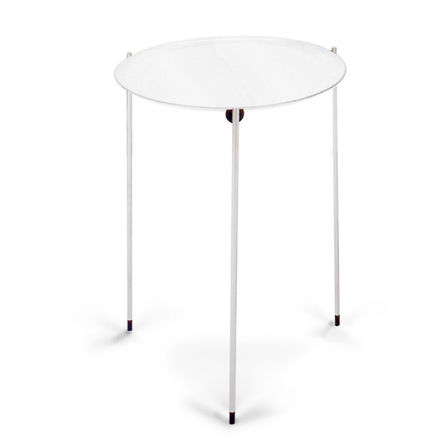
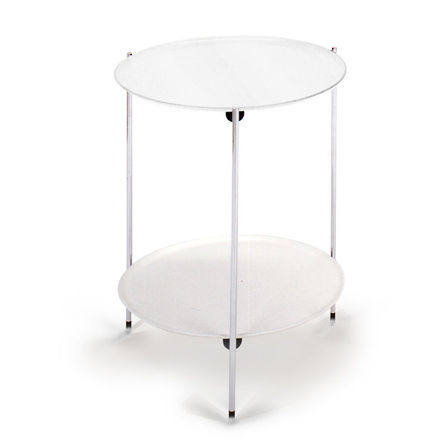
The EE 61 is available with either one or two trays. The EE 61/1 version appears particularly light and transparent. With an additional lower shelf, the EE 61/2 provides space for books, magazines and other items that should remain within easy reach. The lacquered trays are available in black or white.
A piece of furniture between architecture and everyday life
Eiermann designed many pieces of furniture in connection with his architectural projects and regarded buildings and interiors as a coherent whole. This close relationship with architecture is clearly evident in the EE 61. Its chrome-plated frame resembles a finely drawn supporting structure, achieving maximum clarity and functionality with a minimum of material.
Placed beside a sofa or armchair, used as a bedside table, or positioned in a library or representative interior, the EE 61 remains visually restrained while retaining a distinctive presence. Its balanced proportions and structural logic make it a timeless example of German post-war modernism.
TECNOLUMEN manufactures the side table to a high standard of craftsmanship based on Egon Eiermann’s original design. More than six decades after its creation, the EE 61 still appears remarkably contemporary – a versatile piece of furniture and, at the same time, a small work of architecture.
Design: Egon Eiermann, 1961
Frame: Chrome-plated metal
Versions:
EE 61/1: Side table with one tray
EE 61/2: Side table with two trays
Finishes:
SW: Black lacquered tray
W: White lacquered tray
Variants