Marianne Brandt, 1926
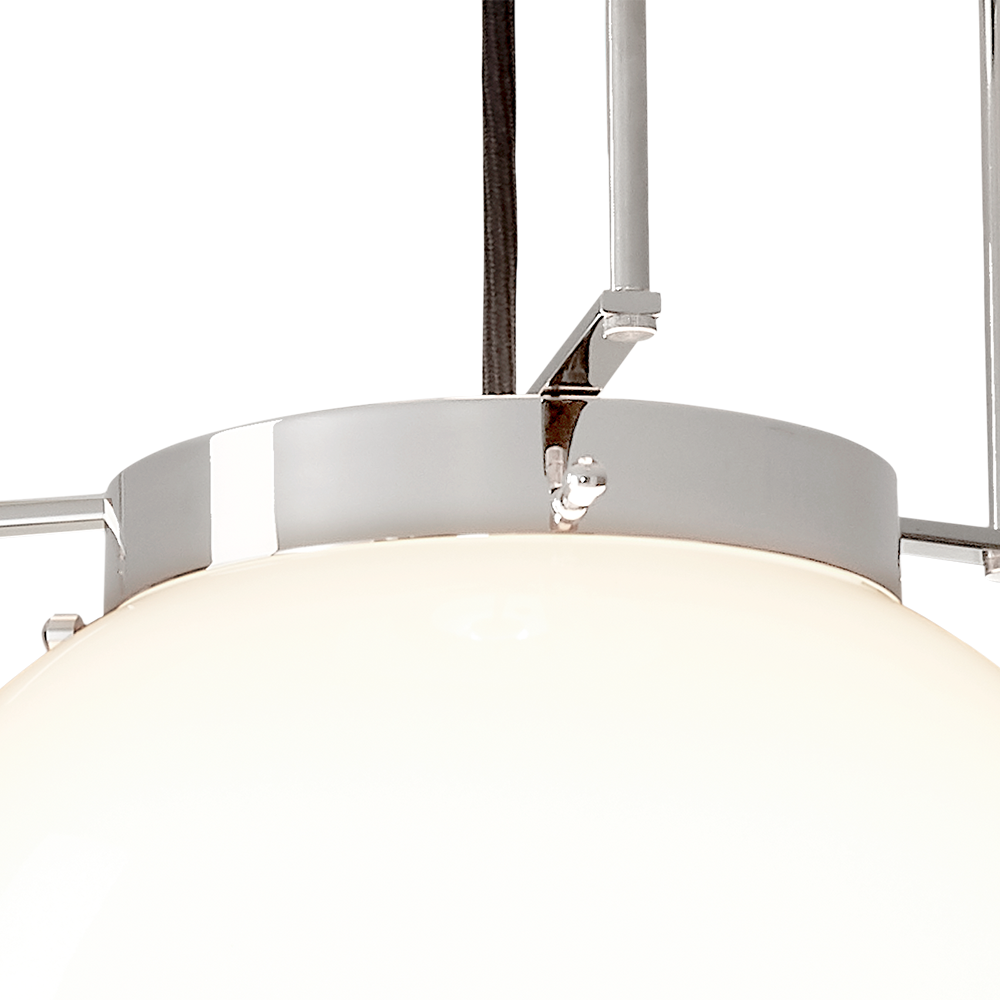
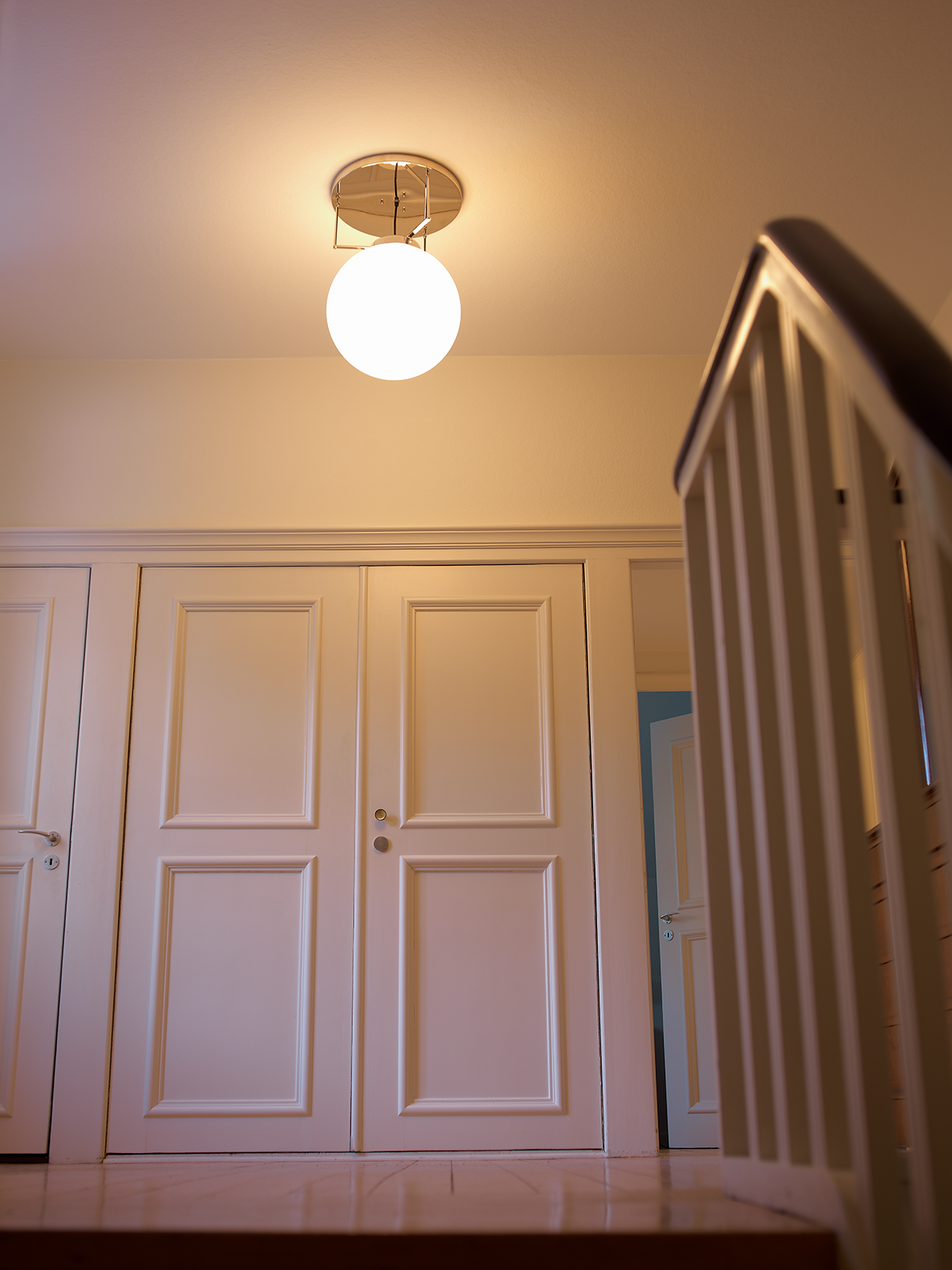
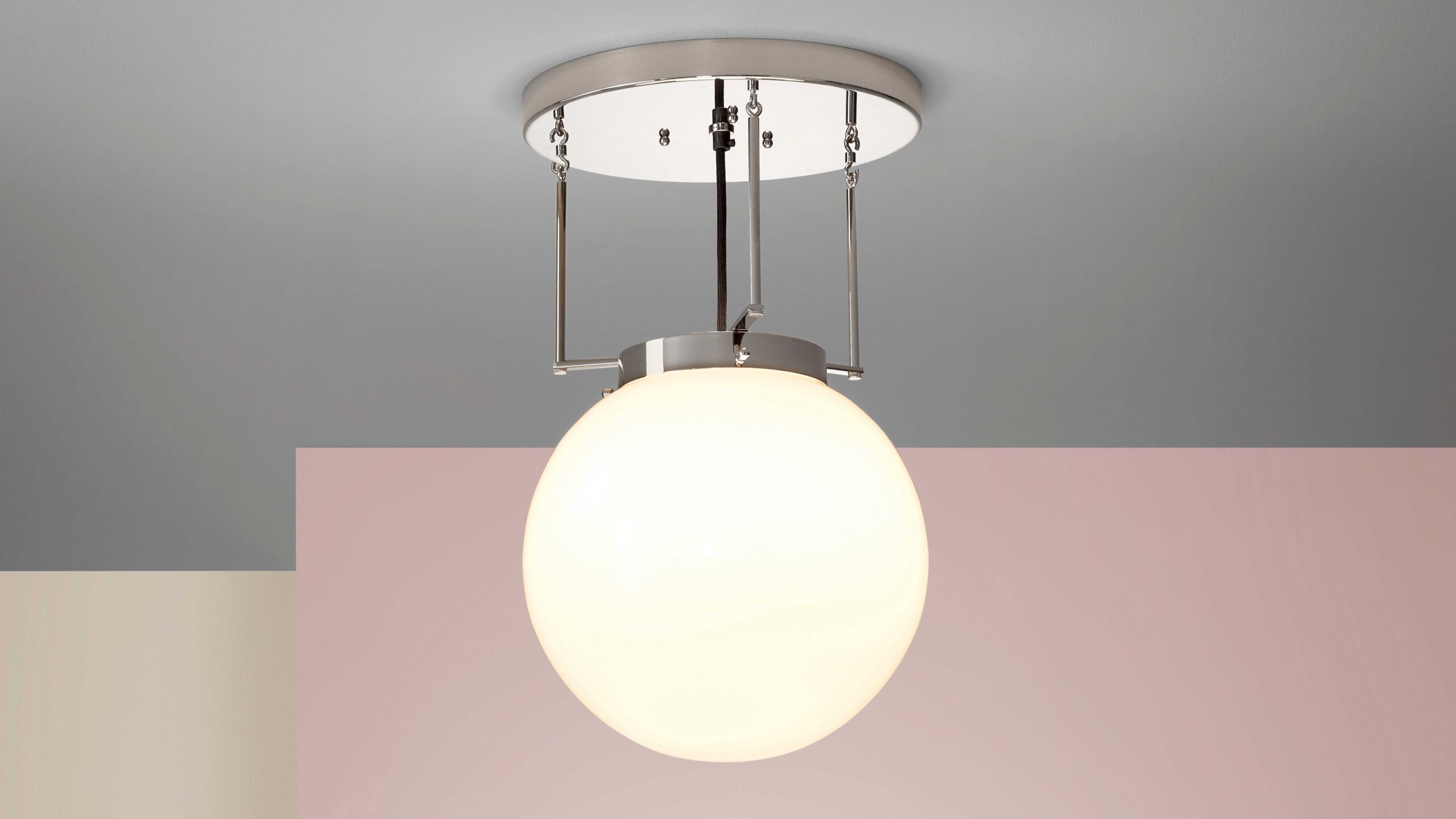
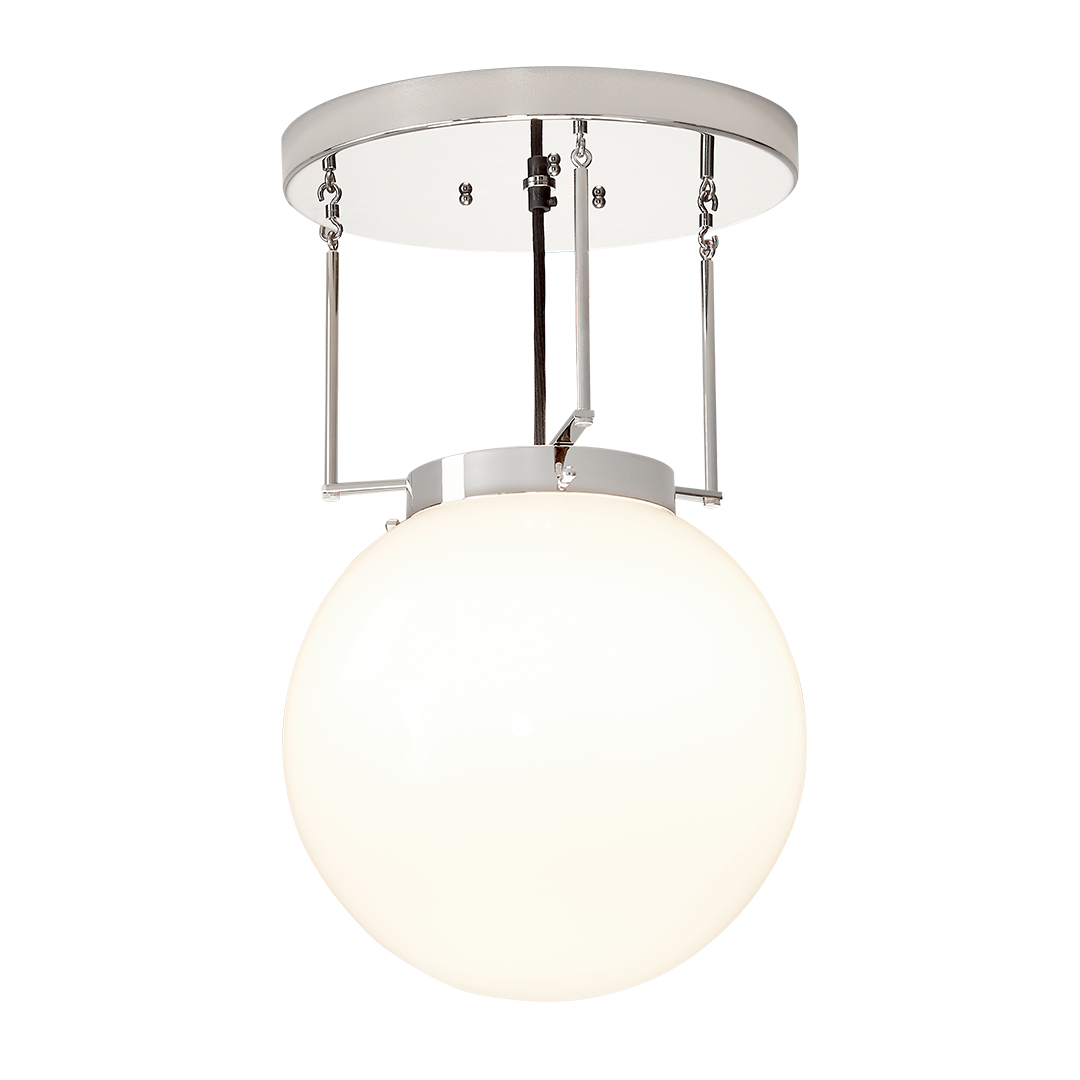
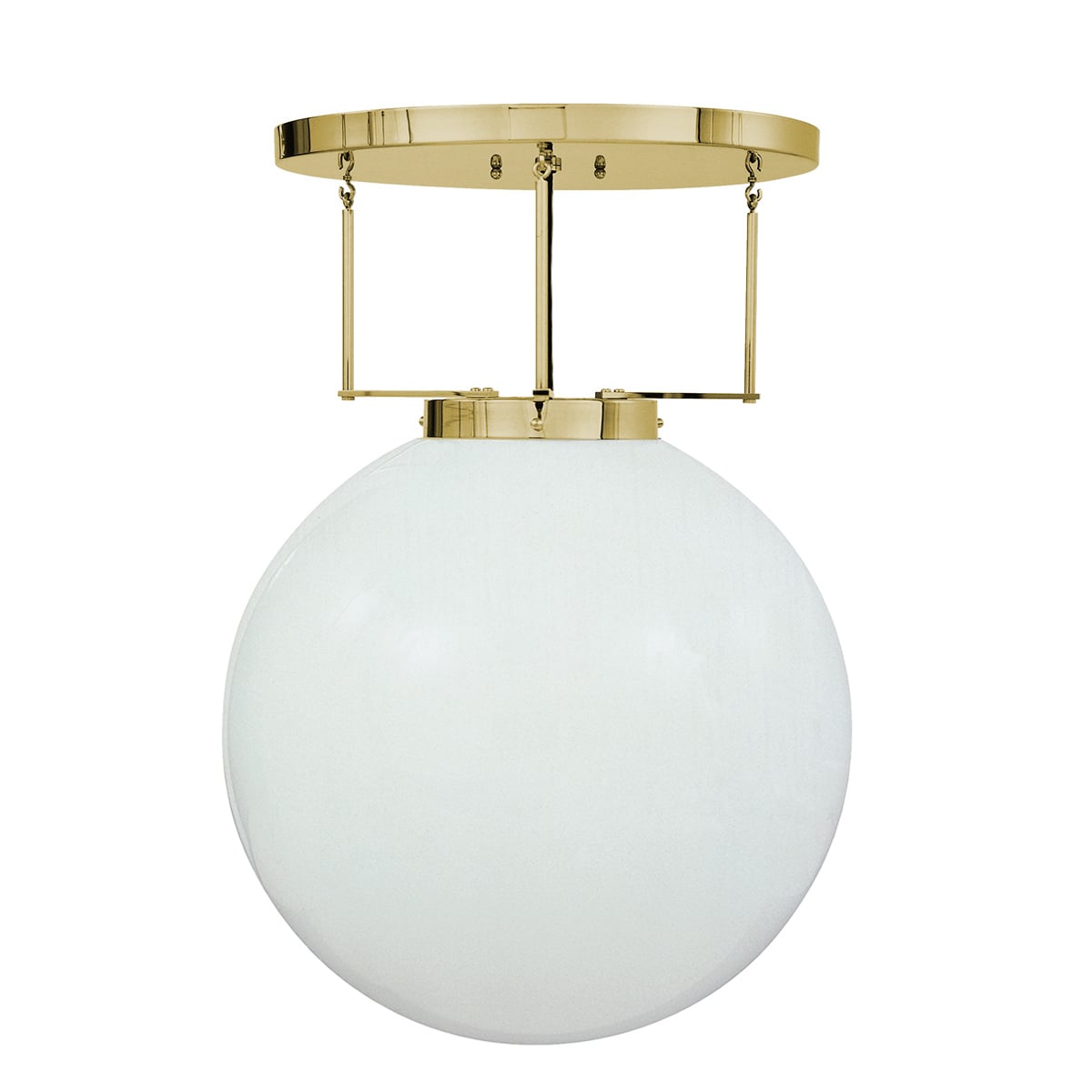
An opal glass globe, three slender rods and a round ceiling plate: Marianne Brandt designed the DMB 26 in 1926 at the Bauhaus metal workshop in Dessau. Its construction remains visible, with every element serving a clear purpose. The design was already produced in series at the time.
The globe made of opal overlay glass distributes soft, even light throughout the room. A ring and three rods hold it beneath the ceiling plate, which additionally reflects the light. The result is a lamp whose form follows directly from its construction.
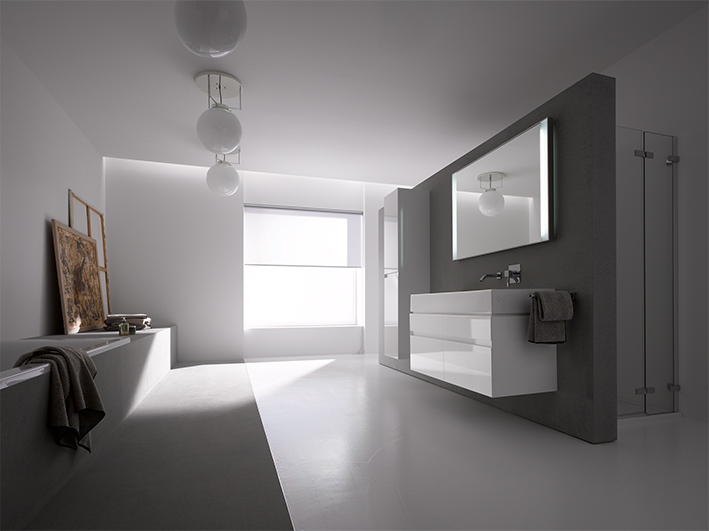
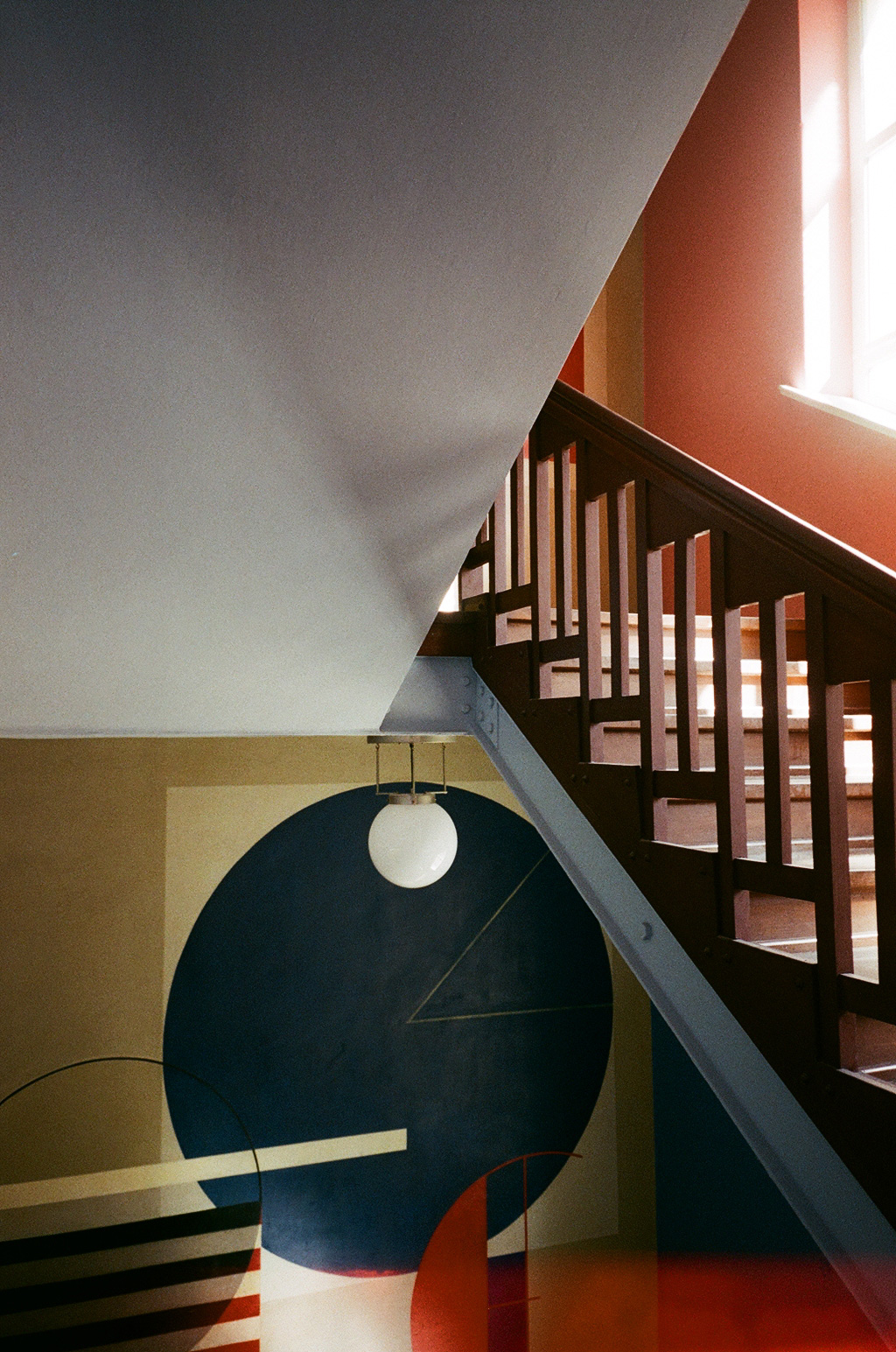
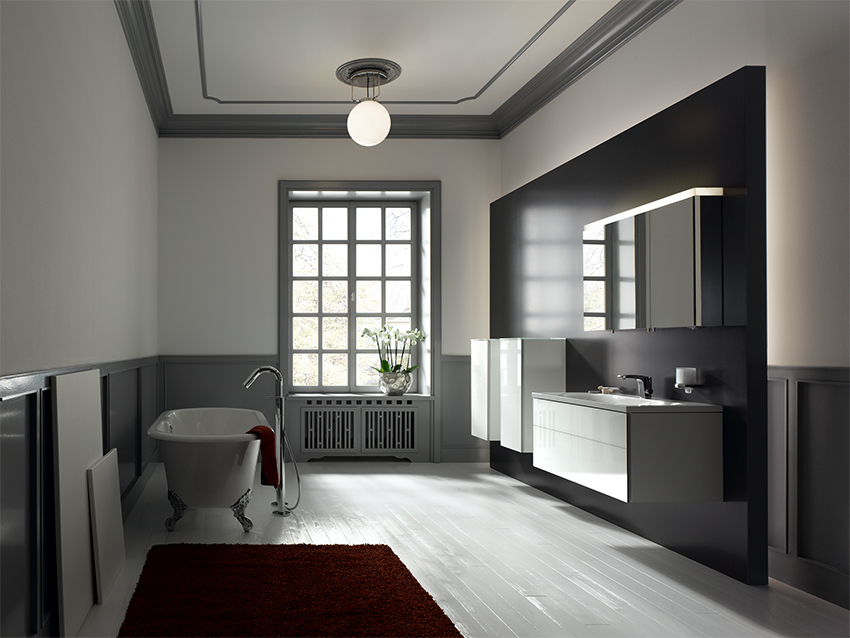
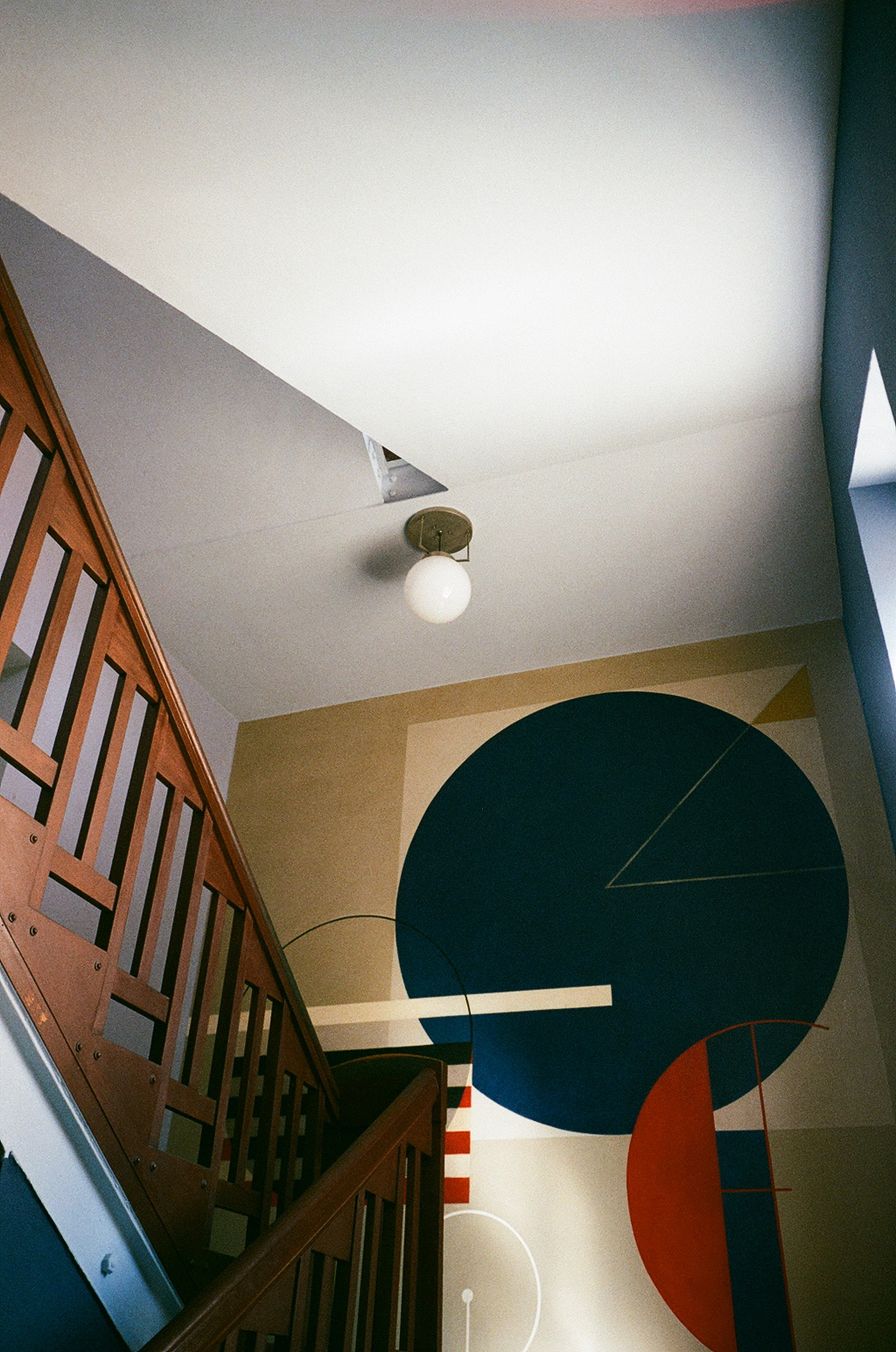
Today, the DMB 26 is well suited as general lighting for hallways, entrance areas, bedrooms and living spaces. In longer corridors, several lamps can be arranged in a row. In the living room, it complements the more focused light of reading or table lamps. Its clear design works equally well in contemporary interiors and in older buildings with historic architectural details.
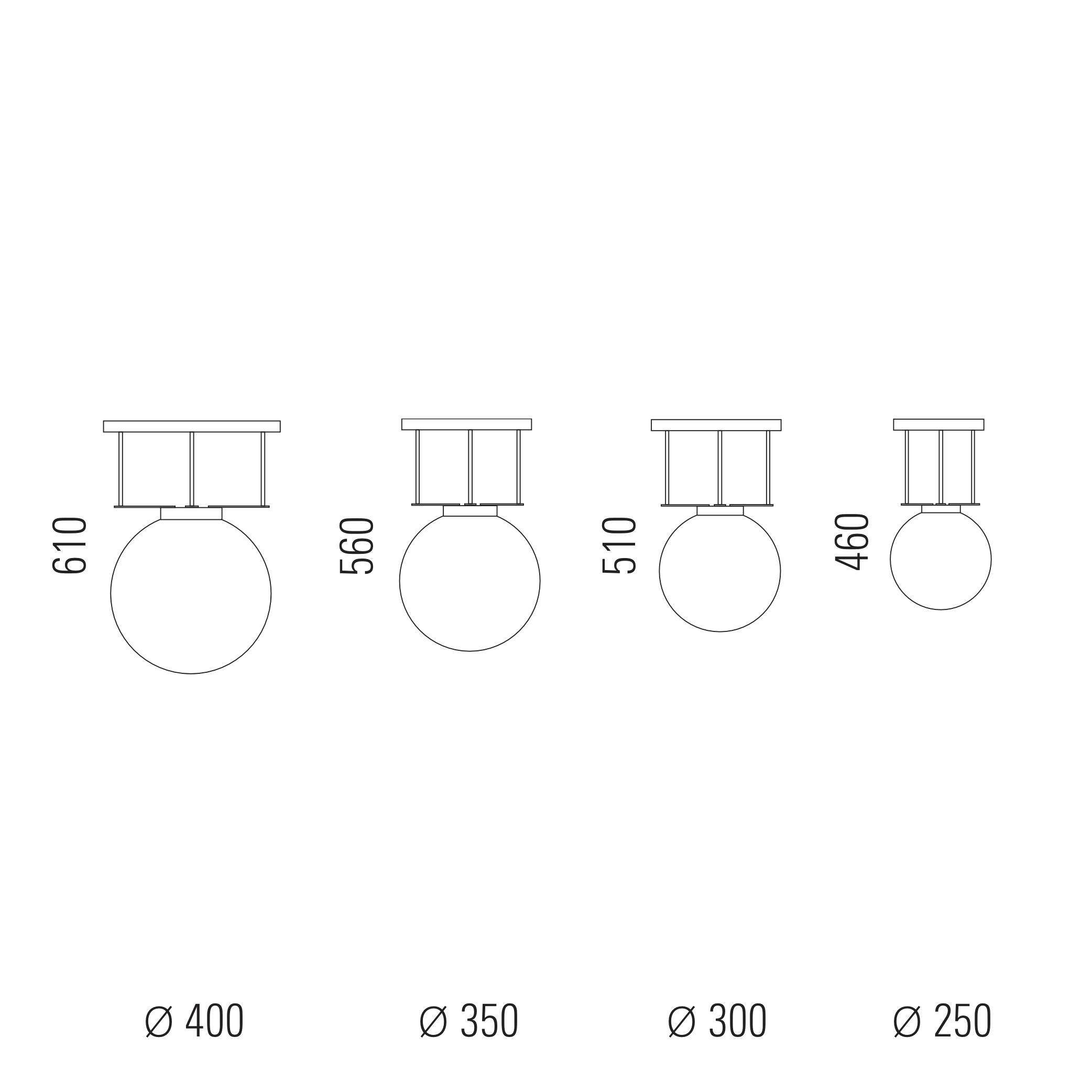
Four globe diameters, ranging from 250 to 400 millimetres, make it possible to choose a size that suits the dimensions and proportions of the room. The metal parts are available in nickel-plated finishes or in polished, lacquered brass.
Each lamp is consecutively numbered and bears the TECNOLUMEN/BAUHAUS signature.
Recommended light source: matt LED lamp, 8 watts, E27.

Marianne Brandt’s unique talent was soon picked up by László Moholy-Nagy. Inspired by him, Brandt undertook her studies in the male-dominated field of metalworking, where she was more successful than many of her classmates.
Learn more about Marianne Brandt