Marianne Brandt, 1929
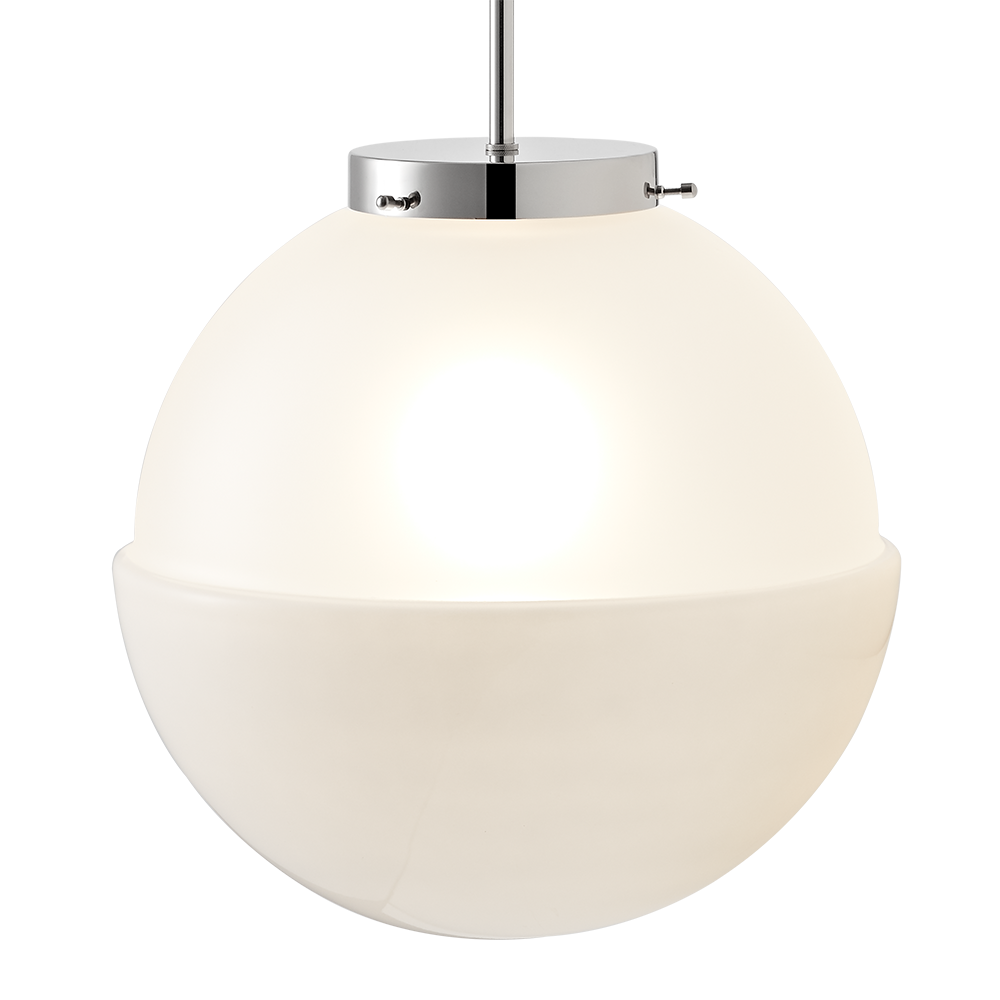
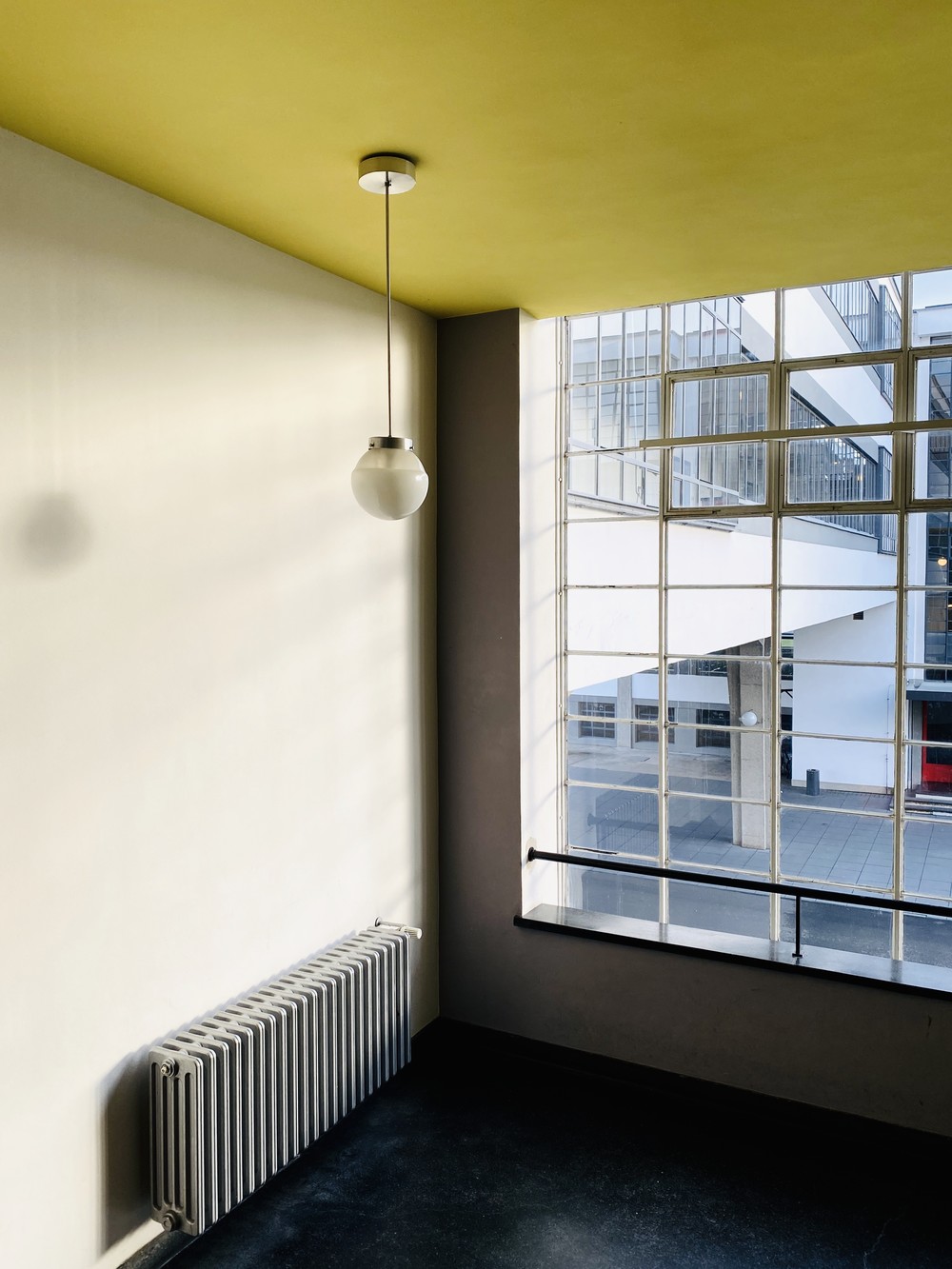
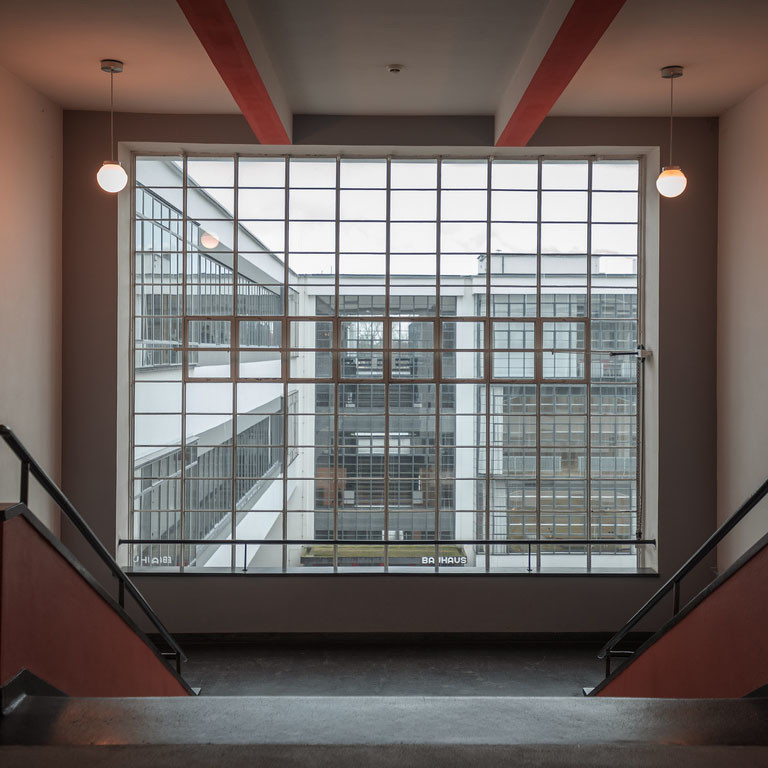
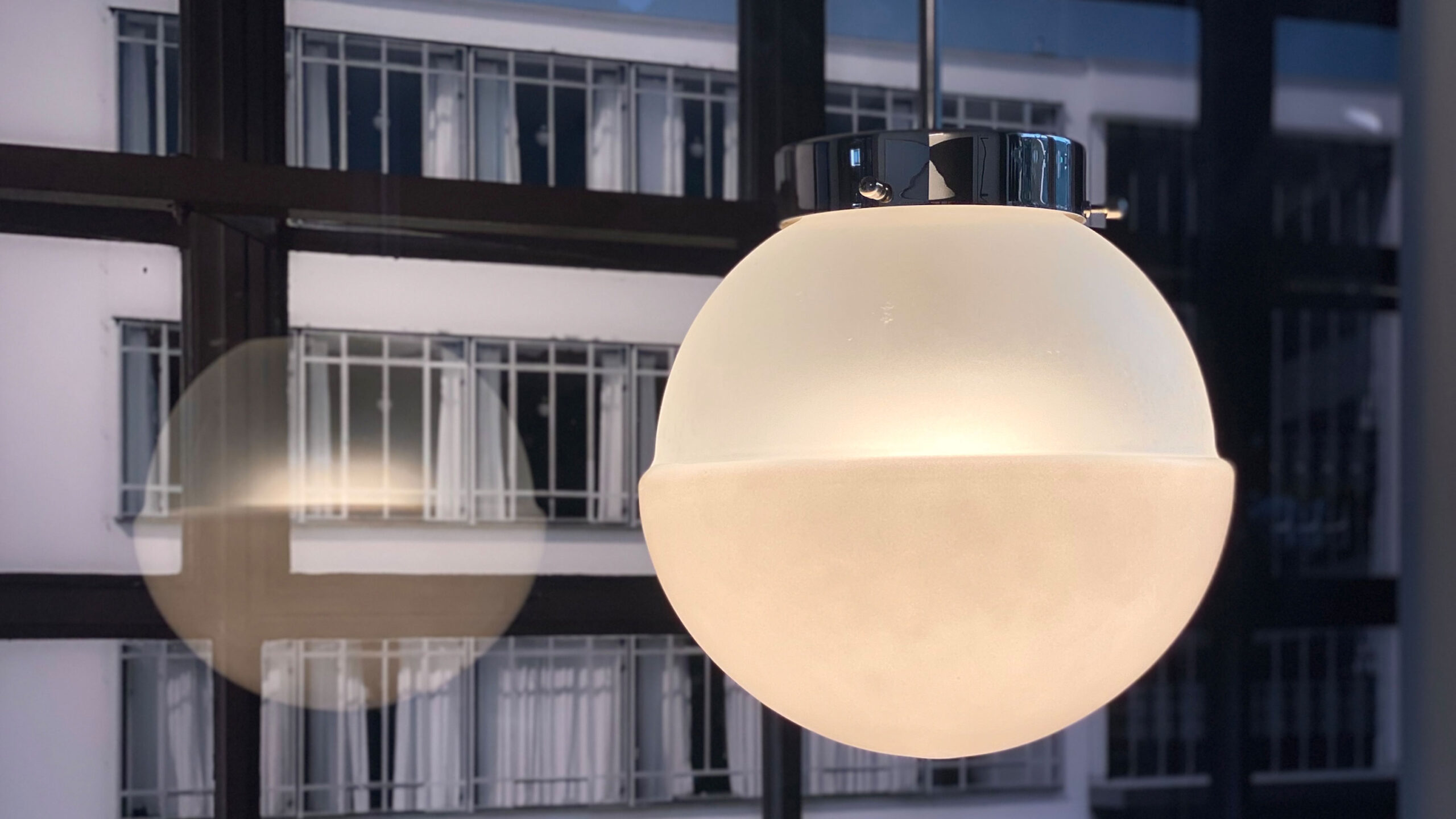
Visitors to the Bauhaus buildings in Dessau encounter it time and again: the HMB 29 Bauhaus pendant lamp by Marianne Brandt. With its luminous glass sphere, it feels entirely at home within the architecture’s clean lines. On its own, it creates a quiet focal point; arranged in rows, it gives spaces a sense of rhythm.
Marianne Brandt designed the lamp in 1929. As a designer and acting head of the Bauhaus metal workshop, she brought together experimentation in craft and the possibilities of industrial production. Good design was intended to become part of everyday life. The HMB 29 embodies this ambition: it appeared in the 1928/1929 catalogue of the Berlin manufacturer Schwintzer & Gräff, complete with precise dimensions. These later provided the basis for TECNOLUMEN’s faithful re-edition.
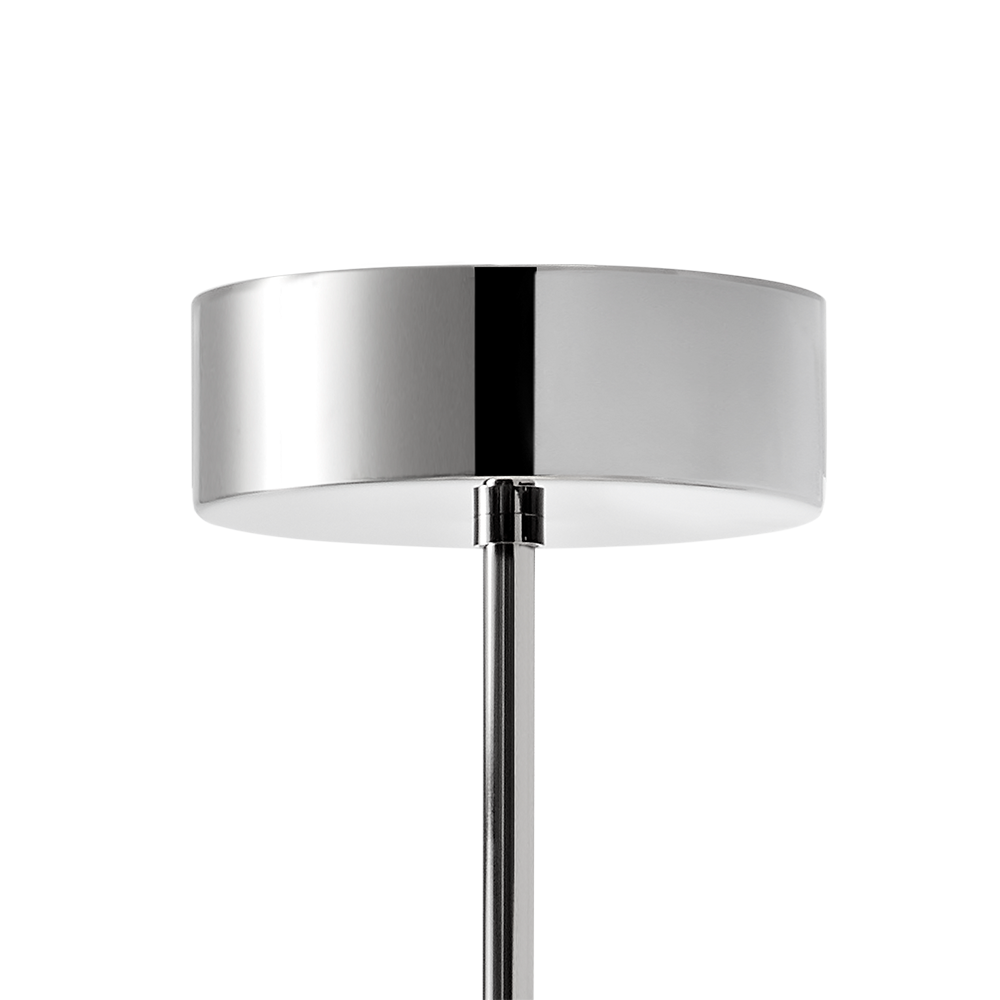
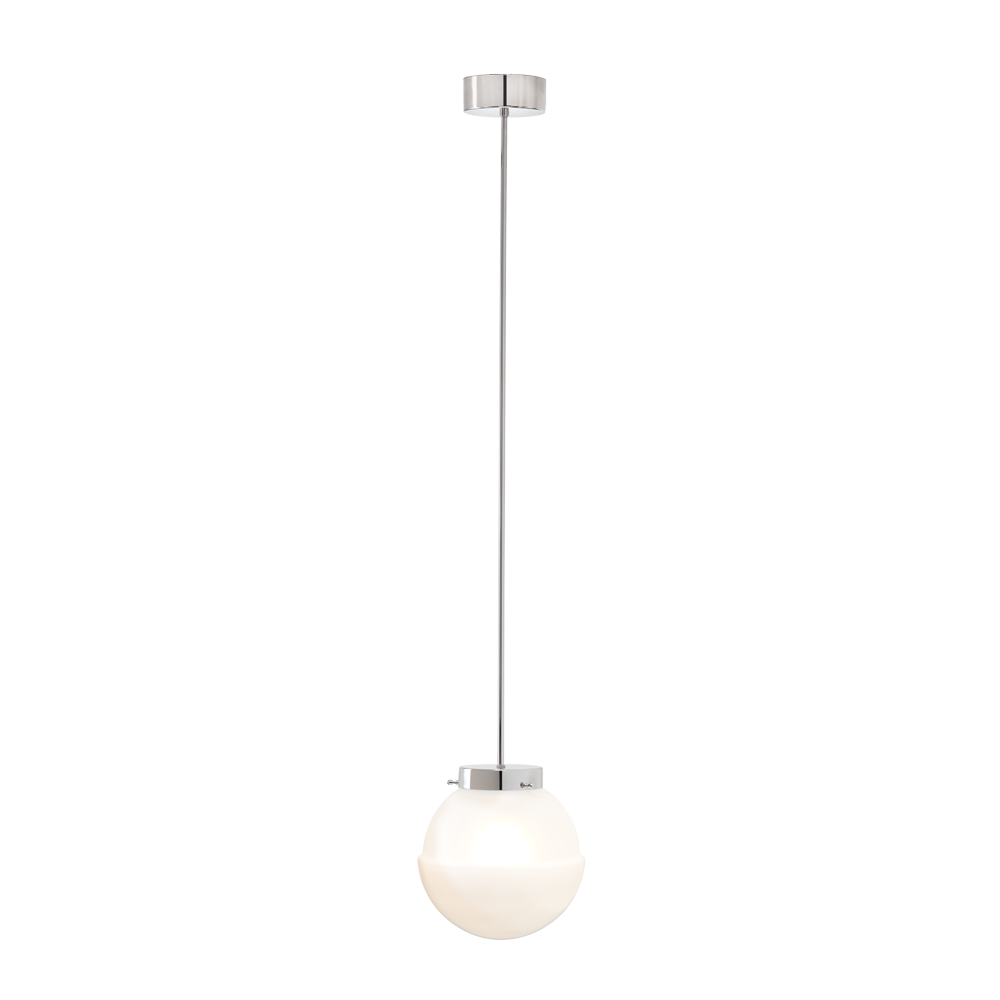
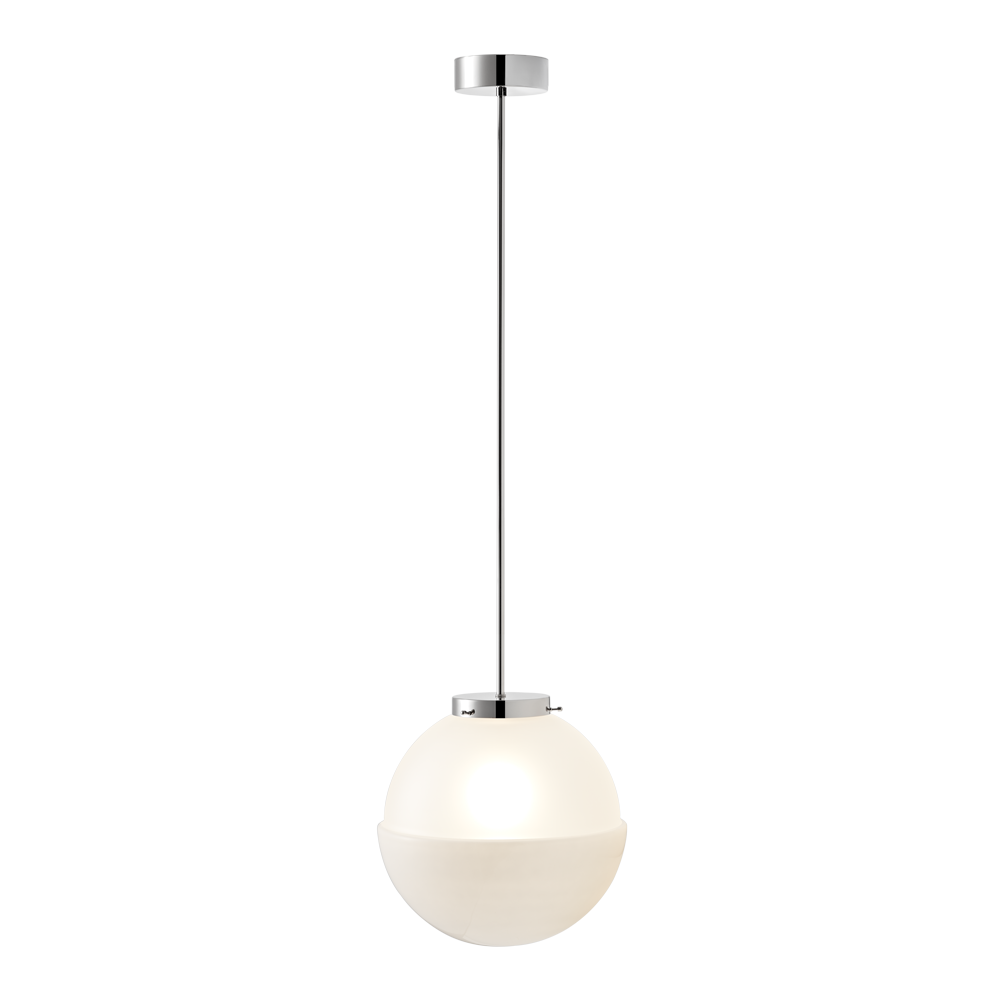
The refinement of the design lies in the glass: the upper hemisphere has an acid-etched matt finish, while the lower half is made of glossy opal glass. The contrast between these surfaces alone articulates the simple form. The slender nickel-plated suspension remains discreet, allowing the light to take centre stage.
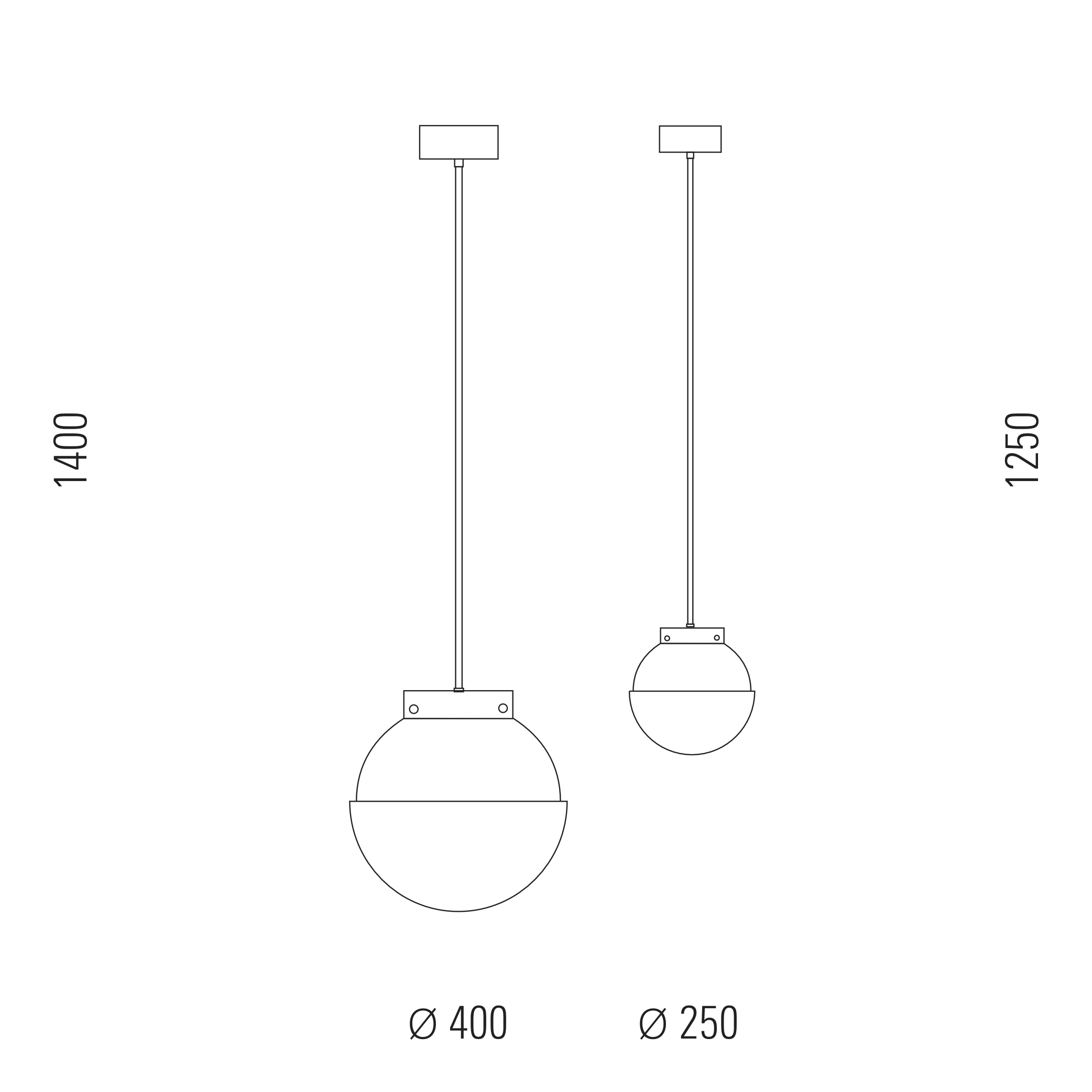
Available in two sphere diameters, the HMB 29 suits a variety of settings, from dining tables to hallways and spacious entrance areas. Its presence comes from balanced proportions and carefully chosen materials. A design that continues to reveal how closely light and architecture belong together.
Available sphere diameters: 250 or 400 mm
Materials: Nickel-plated metal; glass with an acid-etched matt upper half and a glossy opal lower half
Each lamp is individually numbered and bears the TECNOLUMEN/BAUHAUS signet.
Recommended light source: 8 W matt LED bulb
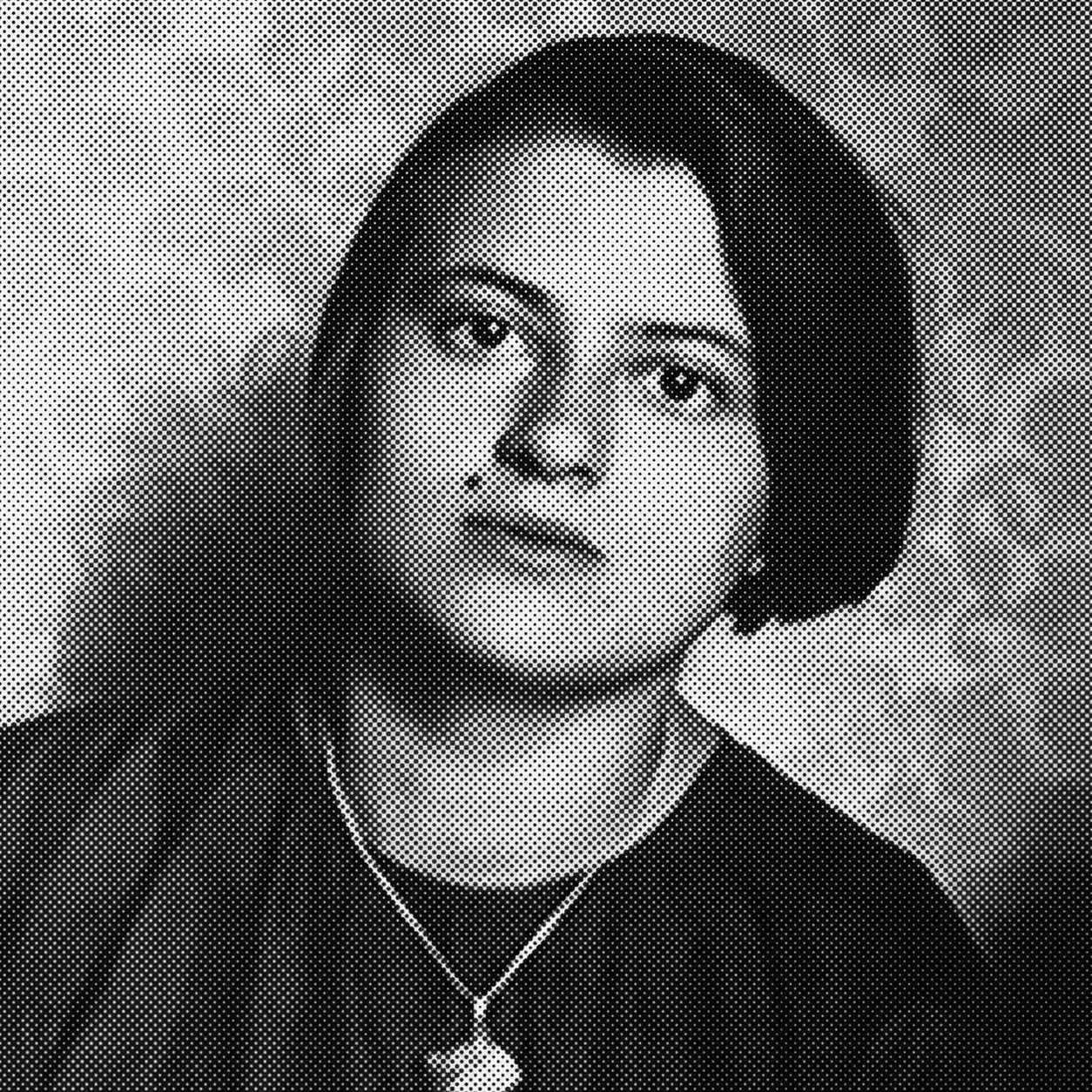
Marianne Brandt’s unique talent was soon picked up by László Moholy-Nagy. Inspired by him, Brandt undertook her studies in the male-dominated field of metalworking, where she was more successful than many of her classmates.
Learn more about Marianne Brandt